Snorkeling With Sea Turtles in Culebra: Where to Look and How to Watch
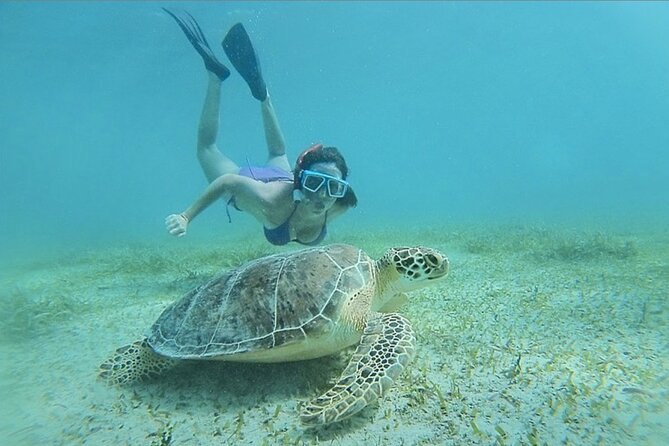
The short answer. Hawksbill, green and leatherback turtles all use Culebra's waters, and Tamarindo, on the west coast, is where the boats most often find them. The ferry day spends two guided hours snorkeling there, and the private days stop there too. Nobody can promise a turtle, but a calm morning at Tamarindo gives you a good chance.
A sea turtle drifting under you is the moment most people remember from a Culebra day. You can raise your chances by picking the right stop and the right boat, and you can make the moment better for the turtle by knowing how to watch. Every Culebra boat tour names its snorkel stops, so start there.
Which turtles live around Culebra?
Three. The U.S. Fish and Wildlife Service lists the hawksbill, the green and the leatherback among the species of the Culebra National Wildlife Refuge. Green turtles are the ones snorkelers see most often, resting on the bottom or rising to breathe.
Leatherbacks are ocean wanderers that come ashore to nest, and you are unlikely to meet one in the water on a day trip. Hawksbills turn up over reef.
Where do the boats find them?
Tamarindo is the stop the turtle tours name. It is a small beach on the west coast, on the channel that faces Cayo Luis Peña, and the ferry day spends two hours snorkeling there with a guide.
The channel itself is the Luis Peña reserve, a no-take reserve since 1999, where fishing is banned. Several boats snorkel inside it, and turtles are part of what you may see. The beaches page places Tamarindo on the map.
Which tours give you the best chance?
| Tour | Where you snorkel | Time in the water | Fare |
|---|---|---|---|
| Ferry day with a guide | Tamarindo, guided | 2 hours | From $145 |
| Private snorkel and beach day | Luis Peña reserve and Tamarindo | 1 hour, then more from the beach | From $1,500 per group |
| Private charter | The Luis Peña reserve | Part of 4 hours at Culebra | From $1,520 per group |
| Isleta Marina snorkel day | Two or three reefs | Across the day | From $168 |
| Las Croabas power boat | One reef, moored | About 1.5 hours | From $200 |
The ferry day is the one sold on turtles, with a flotation belt and a guide in the water. The private days let you stay longer if the turtles are there.
What does a guided turtle snorkel look like?
On the ferry day, you meet your guide at the Ceiba terminal, ride the public ferry across, and take a minibus to Tamarindo. There you get a mask, fins, a snorkel and a flotation belt, a short briefing, and two hours in the water with the guides beside you.
The guides explain what you are seeing as you go, and the fare includes a digital photo album of the snorkel. Afterwards the day moves on to three hours at Flamenco Beach, so the turtles are the morning and the sand is the afternoon.
How do you watch a turtle without disturbing it?
No official distance rule for Culebra was found, so follow the plain courtesy your guide will ask of you. Turtles come up to breathe, and a crowd above them makes that harder.
- Float still at the surface and let the turtle come to you.
- Never touch, chase, ride or feed a turtle.
- Give it a clear path up to the surface to breathe.
- Keep your fins off the bottom and away from the reef.
- Take your photo from where you are, then move on.
A turtle that is left alone often stays, and you get the longer look.
Go early and go quiet. A calm sea and a small group give you the longest look. Pick a guided day, keep your fins still near a turtle, and let the guide lead; things to do lists the other ways to spend the day.
What else might you see on the reef?
Turtles are the headline, but the reef is busy. The Isleta Marina listing names yellowtail snapper and eagle rays among the fish of its reefs, and the refuge protects the waters around 21 cays. Rays glide over sand between the reef patches, and small reef fish crowd the rock.
What you see depends on the day, the water clarity and where the captain moors. A guide who knows the spot will point things out that you would swim straight past, which is one reason a guided snorkel is worth more than an hour on your own.
Keep your hands to yourself on the reef as well. Coral and sponges are alive, and a touch or a fin kick damages them.
Why does the no-take reserve matter?
The Luis Peña reserve was designated in June 1999, and fishing was banned there in September 1999, after the island's own fishers asked for it. A reef that nobody fishes keeps more of its life.
For you, it means the reef stops inside the reserve are worth the time. Wear reef-safe sunscreen, which the ferry day asks for, and keep your hands to yourself.
Can you see turtles nesting?
Not on a day tour. The north-shore beaches at Resaca and Brava are protected turtle habitat inside the refuge, from the high-tide line to 150 metres inland, and no tour lands there. No official nesting dates are published for visitors, so none is given here.
If you stay on the island, follow the refuge's signs and its 6am to 6pm hours. The attractions page covers the refuge.
What should you bring?
- A mask that fits. Try it on deck before you get in.
- Reef-safe sunscreen and a rash guard, so you use less cream.
- Water shoes for rocky entries.
- A waterproof phone pouch, or leave the phone on the boat.
The ferry day includes a digital photo album of your snorkel, so you can leave the camera behind. The things to do page covers the rest of the day.
Can children and non-swimmers see turtles?
Yes, on the right day. The ferry day takes children from 6 and gives everyone a flotation belt and a guide in the water. A private boat lets a nervous swimmer try for five minutes, rest and go again.
The non-swimmers post covers which boats require swimming and which do not.
Hoping for a turtle? The three below give you guided time at Tamarindo, a private boat in the reserve and two or three reef stops; every other fare is compared on Culebra Tours.
Tours that go looking for turtles
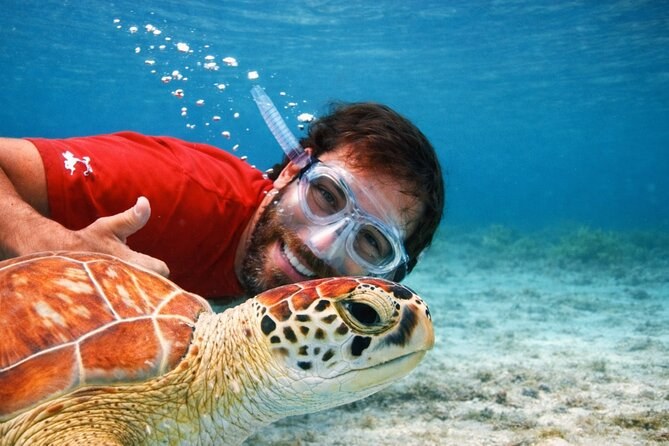
Culebra Snorkel with Turtles & Flamenco Beach Adventure by Ferry
The public ferry with a guide: turtles at Tamarindo, then three hours at Flamenco Beach.
From $145 per person
Check Availability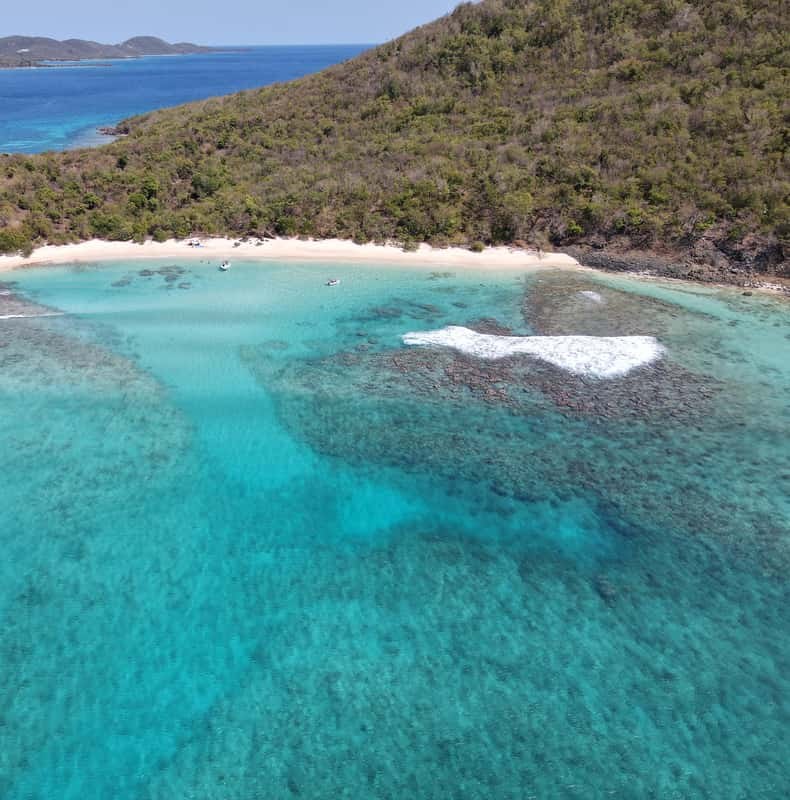
From Fajardo: Snorkeling and Beach Day in Culebra
A private speedboat for up to six: an hour snorkeling, then a beach BBQ.
From $1,500 per group, up to 6
Check Availability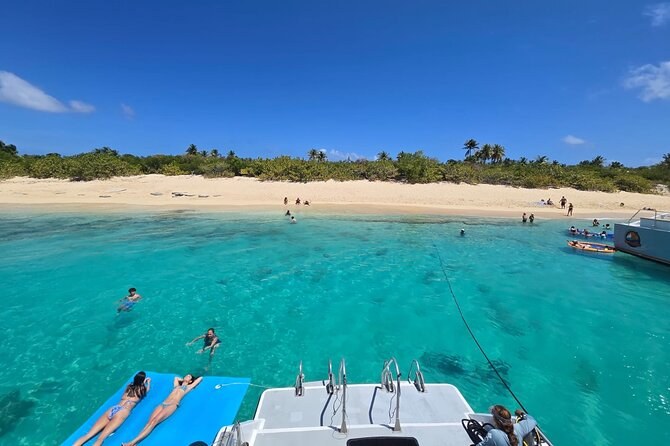
Culebra Snorkeling and Beach Day Tour All Inclusive
Two or three reef stops from Isleta Marina, a light lunch, children from age 3.
From $168 per person
Check Availability