Can Non-Swimmers Do a Culebra Tour? Floats, Guides and Easy Starts
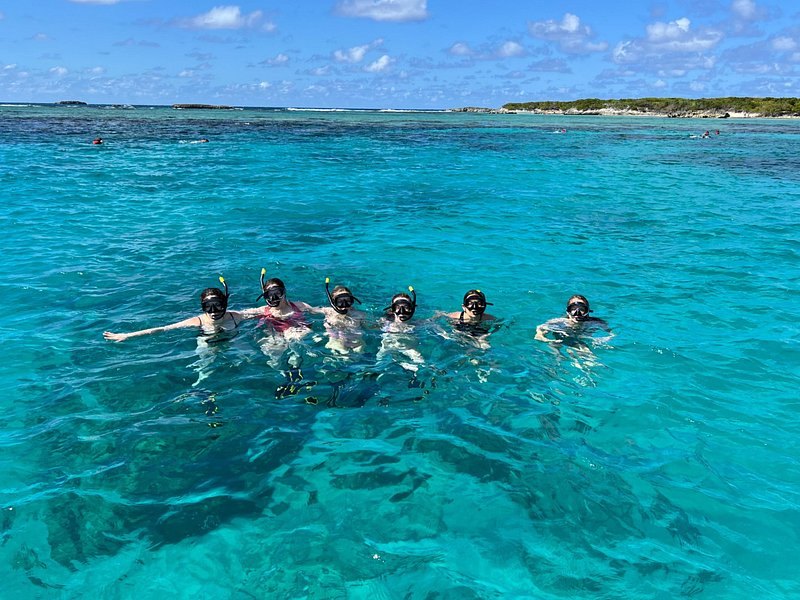
The short answer. Yes, on the right day. The ferry day gives every guest a flotation belt and keeps guides in the water, and a private boat lets you go at your own pace. Several boats say every guest must be able to swim, and one reaches the beach with a 50 to 70-foot swim, so check the listing before you book.
Not being able to swim does not rule out Culebra. It rules out some boats. A flotation belt holds you up, a mask lets you look down, and a guide beside you does the rest. Every Culebra island tour states what it asks of you, so read that line first.
Which tours require swimming?
| Tour | What the listing asks | What helps | Fare |
|---|---|---|---|
| Ferry day with a guide | No swimming requirement stated | Flotation belt and guides in the water | From $145 |
| Private snorkel and beach day | Your group only | A guided snorkel at your own pace | From $1,500 per group |
| Villa Marina snorkel boat | Guided snorkel with lessons | A guide and lessons for beginners | From $173 |
| Isleta Marina snorkel day | Guests must be able to swim | A guided snorkel over two or three reefs | From $168 |
| Catamaran beach day | All participants must be able to swim | Kayaks and paddleboards | From $195 |
| Puerto del Rey catamaran snorkel day | You must be able to swim to snorkel | A 50–70 ft swim to the beach | From $185 |
If a listing is unclear, ask the operator before you book, and say plainly that you cannot swim.
How does a flotation belt work?
It holds you at the surface so you can float face down and breathe through the snorkel. The ferry day includes one with the mask, fins and snorkel. You do not have to kick hard or dive; you lie on the water and look.
On boats that offer a vest instead, ask for it before you get in, and keep it done up for the whole swim.
Why does a guide in the water help?
Because you are not watching the reef and the boat at the same time. On the ferry day the guides snorkel with the group, point out turtles and fish, and keep an eye on everyone. The Villa Marina boat runs a guided snorkel with lessons for beginners.
On a private boat, the crew is yours. You can try for five minutes, rest on the platform and go again, with nobody waiting.
What about getting from the boat to the beach?
This is the part to check. On the Puerto del Rey catamaran snorkel day, reaching the sand means a swim of 50 to 70 feet in water about 10 feet deep. That suits confident swimmers only.
The ferry day brings you to the beach by road, and on a private boat you can ask the crew to anchor where the swim ashore is shortest. The beaches page shows where each day ends.
Say it before you board. Tell the crew you cannot swim when you check in, not in the water. They will fit your belt or vest and keep you close; the planning page lists every fitness rule.
What if you panic in the water?
It happens to confident swimmers too. The first breath through a snorkel feels strange, and cold water on your face can make you gasp. The fix is simple: lift your head, take the snorkel out, and breathe normally while your belt or vest holds you up.
Then wave. The guide or crew will come to you. On the ferry day the guides are in the water with the group, and on the private boats the crew is watching only your party.
Start again when you are ready, closer to the boat or the shore. Many first-timers need two or three tries before the snorkel feels natural.
Are flotation belts and vests provided?
The ferry day includes a flotation belt with the mask, fins and snorkel. On the other boats, ask for a vest when you check in, and say that you cannot swim. If a listing does not mention flotation, ask the operator before you book.
Bring a mask that fits if you have one. A leaking mask is the most common reason a first try goes wrong.
Can you just stay on the boat?
Yes. Nobody has to get in the water, and many people spend the snorkel stop on deck. On the beach days, you can wade, sit in the shade and swim where you can stand.
You still see a lot from the surface. Turtles come up to breathe, and the water is clear enough to see the bottom from the boat on a calm day.
How do you make the first try easy?
- Tell the crew you cannot swim before you board.
- Put the mask on and breathe through the snorkel on deck first.
- Wear the flotation belt or vest, done up.
- Get in by the ladder, and stay within reach of the guide or the boat.
- Float first; kick gently only once you feel settled.
- Lift your head and wave if you want help.
The things to do page covers the other ways to spend the day.
Is there anything to hold on to?
On several boats, yes: floating mats behind the stern, which give you somewhere to rest between looks without climbing back aboard. Ask the crew to put one out before you get in.
On the ferry day's beach snorkel, the guide is the one you stay close to, and you can stand up near the shore.
Which days should a non-swimmer skip?
Skip the days that ask every guest to swim, and the catamaran snorkel day that reaches the beach by a swim. They suit you better once you are confident in open water.
That still leaves you the ferry day, the private boats and the guided snorkel with lessons. The planning page lists every age and fitness rule.
A non-swimmer can still have the best of Culebra from the sand. Flamenco Beach is a long beach where you can wade and float on a calm day, and the ferry day gives you three hours there. The FAQs answer the rest, from ages to what to bring, and the getting there page shows where each day starts.
Cannot swim, still want the reef? The three below give you a flotation belt and guides, a crew that helps in the water, or a beach day you reach by boat; every other fare is compared on Culebra Tours.
Days that work for non-swimmers
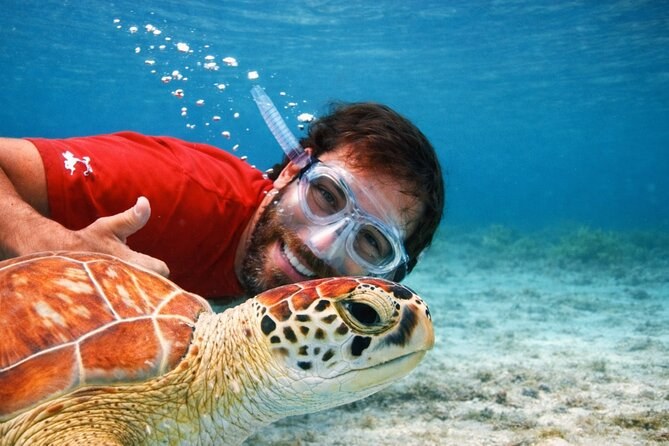
Culebra Snorkel with Turtles & Flamenco Beach Adventure by Ferry
The public ferry with a guide: turtles at Tamarindo, then three hours at Flamenco Beach.
From $145 per person
Check Availability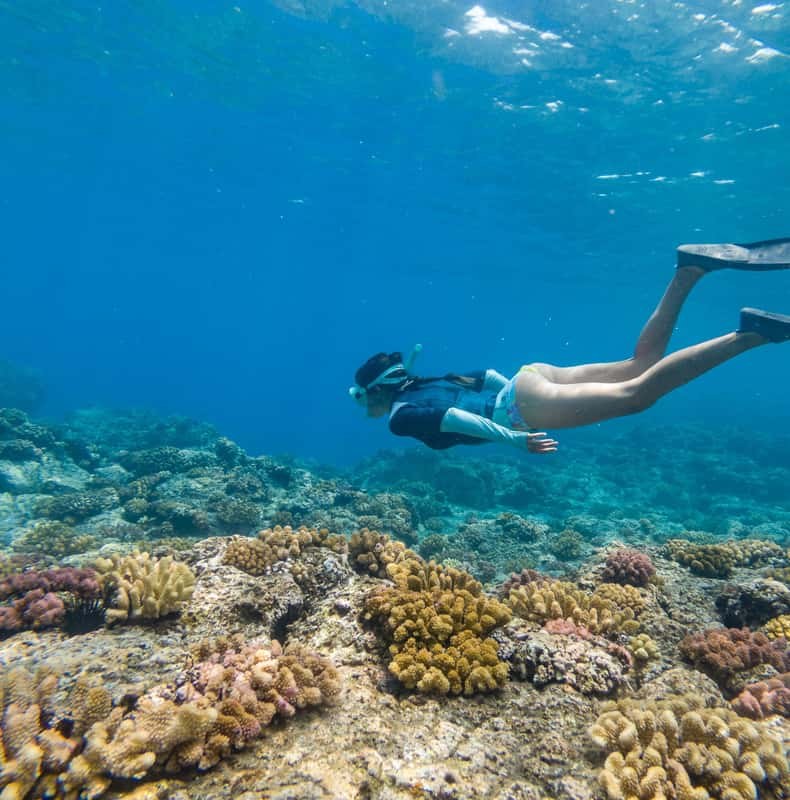
From Fajardo: All-Inclusive Boat and Snorkeling in Culebra Island
A guided snorkel with lessons and ScubaPro gear, a light meal and rum drinks.
From $173 per person
Check Availability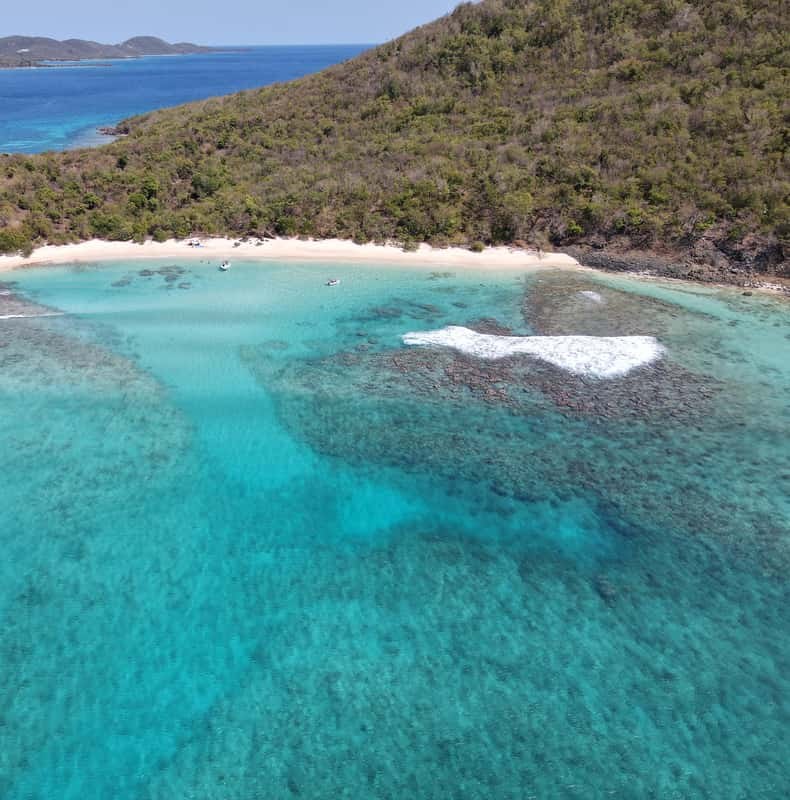
From Fajardo: Snorkeling and Beach Day in Culebra
A private speedboat for up to six: an hour snorkeling, then a beach BBQ.
From $1,500 per group, up to 6
Check Availability