Culebra in Hurricane Season: Booking a June to November Day Trip
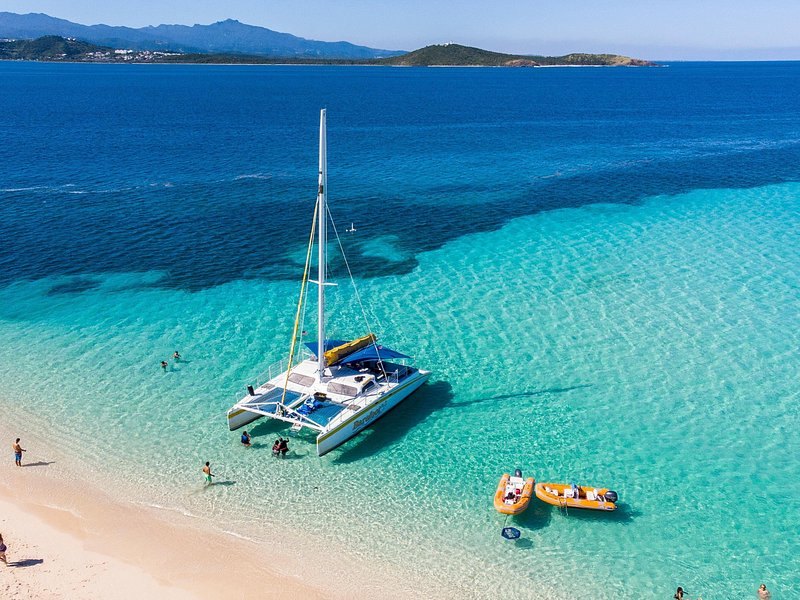
The short version. The Atlantic hurricane season runs from 1 June to 30 November and is most active from mid-August to mid-October. Boats still run on good days, but a storm or its swell can cancel or divert them. Book a fare with free cancellation, check the forecast two days out, keep a spare day, and the season costs you nothing.
In this guide
- When is hurricane season?
- What does the season mean for a Culebra day?
- June to November, month by month
- Which months carry the most risk?
- How do you book a day trip in hurricane season?
- What happens if a storm cancels your tour?
- Which tours state their weather rules?
- What is the weather like between storms?
- How do you watch the forecast?
- Does the sea calm down right after a storm?
- Is summer still a good time to go?
- What should you pack in the wet months?
- What does a good day in September look like?
- Which days suit a changeable forecast?
- What about the rest of the year?
- Should you check your travel insurance?
- Frequently asked questions
Half the year falls inside the hurricane season, and many people travel then: school holidays, cheaper flights and warm water. A Culebra day can work well in these months, if you book it the right way. Here is what the season means for a boat day, month by month, and how to book any Culebra boat tour so the weather cannot cost you.
When is hurricane season?
From 1 June to 30 November, as NOAA's National Hurricane Center defines it for the Atlantic. Activity builds through the summer, peaks from mid-August to mid-October, around 10 September, and falls away in November.
Most days in the season are ordinary sunny days. The risk is not constant rain; it is a storm system passing nearby and the wind and swell it brings.
What does the season mean for a Culebra day?
Every tour starts with an open-water crossing, and every boat keeps the captain's right to change course. In the season, a storm to the south or east can raise the swell even on a sunny day, and the captain may turn for Icacos, Palomino or Vieques, or cancel.
The National Weather Service issues a Small Craft Advisory for winds of 20 to 33 knots or seas hazardous to small boats. On those days, expect no crossing to Culebra. On other days, the call is made at the dock.
June to November, month by month
The rain figures are NOAA's 1991–2020 normals for the Culebra Hill station; the highs are for Roosevelt Roads in Ceiba, the nearest temperature normals.
| Month | Rain | Highs | Where it sits in the season | What to book |
|---|---|---|---|---|
| June | 3.3 in (85 mm) | 88.1 °F | Opens 1 June; an early, quieter month | Any tour, with free cancellation |
| July | 3.5 in (88 mm) | 88.8 °F | Building; school holidays fill boats | Book early; a boat with shade |
| August | 4.1 in (103 mm) | 89.1 °F | The busiest stretch begins mid-month | A fare with a stated weather rule |
| September | 5.9 in (149 mm) | 88.8 °F | The peak, around 10 September | Keep a spare day; watch the forecast |
| October | 5.5 in (141 mm) | 88.3 °F | Peak until mid-month | Free cancellation, flexible dates |
| November | 6.2 in (158 mm) | 86.2 °F | Winding down; ends 30 November | Any tour; bring a rain layer |
Which months carry the most risk?
August, September and October, which hold the season's busiest weeks. September is also one of the wettest months on Culebra Hill, at 5.9 inches, and November is the wettest of all, at 6.2 inches, though by then the storm risk is falling.
June and July carry less risk and less rain. If you can choose, those are the easier months in the season, with the trade-off of fuller boats in the school holidays.
How do you book a day trip in hurricane season?
- Book a fare with free cancellation. Every tour here refunds in full up to 24 hours ahead.
- Plan the trip for the middle of your stay, not the first or last day.
- Keep a spare day you can move the trip to.
- Check the forecast two days out, and again the evening before.
- Cancel or move while the refund still applies if a system is forecast.
Done this way, the season costs you nothing but a little flexibility.
What happens if a storm cancels your tour?
The operators cancel when the sea is unsafe, and they offer another date or a full refund. Several listings say so plainly: the ferry day needs good weather and offers another date or a refund, and the Sunbay Marina private snorkel day offers Vieques, Icacos and Palomino, or a refund.
If the operator runs the trip but diverts it, you still get a snorkel and a beach elsewhere. The Culebra vs Icacos post explains what a diversion means.
Which tours state their weather rules?
- Private charter, Sunbay Marina: if Culebra is ruled out, the day switches to Icacos and Palomino at an adjusted price.
- Private snorkel and beach day, Sunbay Marina: Vieques, Icacos and Palomino, or a cancellation with a refund.
- Las Croabas power boat: Vieques, Diablos, Lobos, Icacos, Tortuga or Palomino.
- Catamaran beach day, Puerto del Rey: Icacos or a Vieques beach.
- Ferry day: another date or a full refund if cancelled for weather.
A named storm changes everything. If a tropical system is forecast near Puerto Rico, move your Culebra day while the refund applies, and check the month-by-month picture before you rebook.
What is the weather like between storms?
Hot, humid and mostly sunny, with showers that come and go. Highs at Roosevelt Roads run from 88 to 89 °F from June to October, and lows stay in the mid-70s. Rain on Culebra Hill climbs from about 3.3 inches in June to 6.2 in November.
Most of that rain falls in short bursts, and you are wet from the sea anyway. What matters for the boat is the wind and the swell, which the forecast tells you better than the sky.
How do you watch the forecast?
Two sources cover it. The National Hurricane Center publishes the tropical outlook for the Atlantic, which shows any system forming days ahead. The National Weather Service office in San Juan publishes the marine forecast for the waters around Puerto Rico, including any Small Craft Advisory.
Check both two days before your tour and again the evening before. If either shows trouble, contact the operator or move your date while the refund applies.
Does the sea calm down right after a storm?
Not always. Swell can linger after a system passes, and the captain judges the sea on the day, not the sky. A clear morning after a storm can still mean a rough crossing.
So give yourself room on both sides of a forecast. A spare day after the storm is worth more than one before it.
Is summer still a good time to go?
Often, yes. June and July bring warm water, long days and less rain than the autumn, and many boats run full days all summer. The school holidays fill the shared boats, so book early.
The heat is the other thing to plan for. Highs at Roosevelt Roads reach 88 to 89 °F, and you spend the midday hours on the beach. Pick a boat with shade, such as a catamaran with a covered cabin, and bring a rash guard.
What should you pack in the wet months?
- A light rain jacket for the ride back.
- A dry bag for your phone, keys and cash.
- Reef-safe sunscreen and a rash guard; the sun is strong between showers.
- A seasickness remedy, taken before you board.
- A change of dry clothes for the drive home.
What does a good day in September look like?
Much like a good day in March. The boats check in before 8am, the crossing takes an hour or so, and you snorkel, eat and spend the afternoon on the sand. The difference is the heat, with highs near 89 °F, and the chance of a passing shower.
The boats are also quieter once the school holidays end. If the forecast is clear two days out and the captain is happy at the dock, an autumn day can be one of the best of the year. The work is all in the booking: a refundable fare and a spare day behind it.
Which days suit a changeable forecast?
Days with a stated weather rule. The Sunbay Marina private charter adjusts its price if it goes to Icacos and Palomino instead of Culebra, and the private snorkel day offers a refund as one of its options. The ferry day offers another date or a refund if it cannot run.
A private boat also lets you talk to the crew about conditions before you set off. On a shared boat, the captain makes one call for everyone, so a flexible date is your best protection.
What about the rest of the year?
December to May sits outside the hurricane season. January to March are the driest months on Culebra Hill, and winter cold fronts are the thing to watch then. May brings the first real rain of the year, at about 4.4 inches, before the season opens.
The same booking habits work in every month: free cancellation, a spare day and a look at the forecast two days out. The weather page covers all twelve months.
Should you check your travel insurance?
Yes. Before a trip in the season, read what your policy says about weather cancellations and missed connections. The tours refund in full up to 24 hours ahead, but flights and hotels have their own rules.
The planning page covers the tours' own rules, and the itinerary guide helps you fit a spare day into your trip.
Frequently asked questions
When is hurricane season in Puerto Rico?
Do Culebra tours run in hurricane season?
What is the wettest month on Culebra?
What happens to my money if the tour is cancelled?
Travelling between June and November? The three days below state what happens if the sea turns. Every other fare is compared on Culebra Tours.
Days that state their weather plan
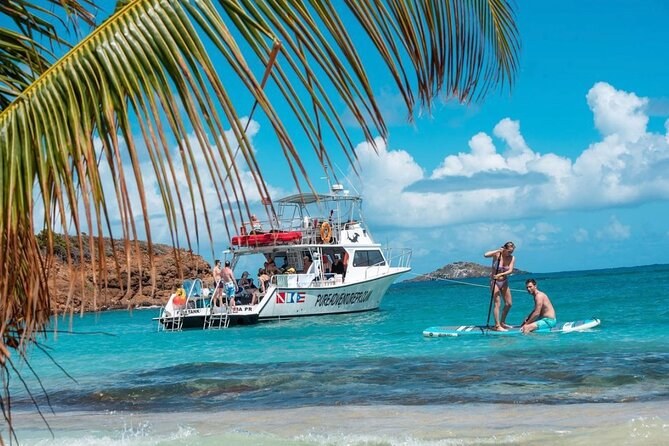
Full-Day Snorkeling Tour to Culebra Island with Lunch
About five hours at Flamenco Beach, with a marine biologist aboard and paddleboards.
From $168 per person
Check Availability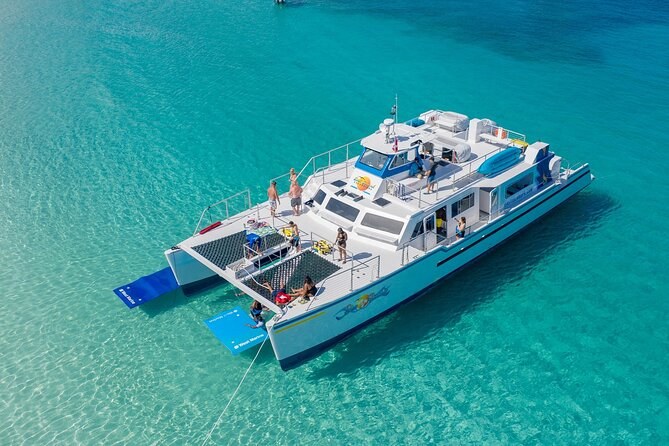
Culebra Full Day Beach and Fun Experience by Catamaran
A catamaran beach day from Puerto del Rey with kayaks and paddleboards; snorkel gear is not included.
From $195 per person
Check Availability
Full Day Charter from Fajardo to Culebra
Your own boat for up to six from Sunbay Marina: four hours at Culebra, lunch aboard.
From $1,520 per group, up to 6
Check Availability